Five causes, five different answers
The term damp proofing gets used for anything meant to dry a wall out. In reality it covers several completely different jobs, and which one you need is decided by the cause:
- Rising damp. Water climbs capillaries from the subsoil. Dealt with by a retrofitted horizontal barrier, that is injection or sawing.
- Lateral ingress. Ground moisture enters the wall from the side, typically in a cellar. Dealt with by vertical waterproofing and drainage.
- Water under pressure. A high groundwater table. A harder case, where the design belongs to an engineer and the ordinary methods will not do on their own.
- Condensation. Moisture from inside settling on cold surfaces. No barrier will touch it; the answer is ventilation, heating and thermal bridges.
- Leaks and bursts. A fault in the structure or in the services. While the source is live, any damp proofing is wasted.
Two causes at once is the rule rather than the exception. That is why a combination of measures is often proposed, and why the survey is the most important thing that happens at the start.
What the survey covers
- Inspection inside and out. Height of the damp band, state of the plaster, mould, salt efflorescence.
- The ground around the house. Which way it falls, downpipes, the path, where rainwater ends up.
- An opening into the masonry. Shows the material, thickness, build-up and whether any barrier is there at all.
- Moisture readings at several points. One reading is not enough; the band only shows from several heights.
- Assessment of salts. Decides which plaster may be used and how high it is removed.
Plaster: the other half of the job
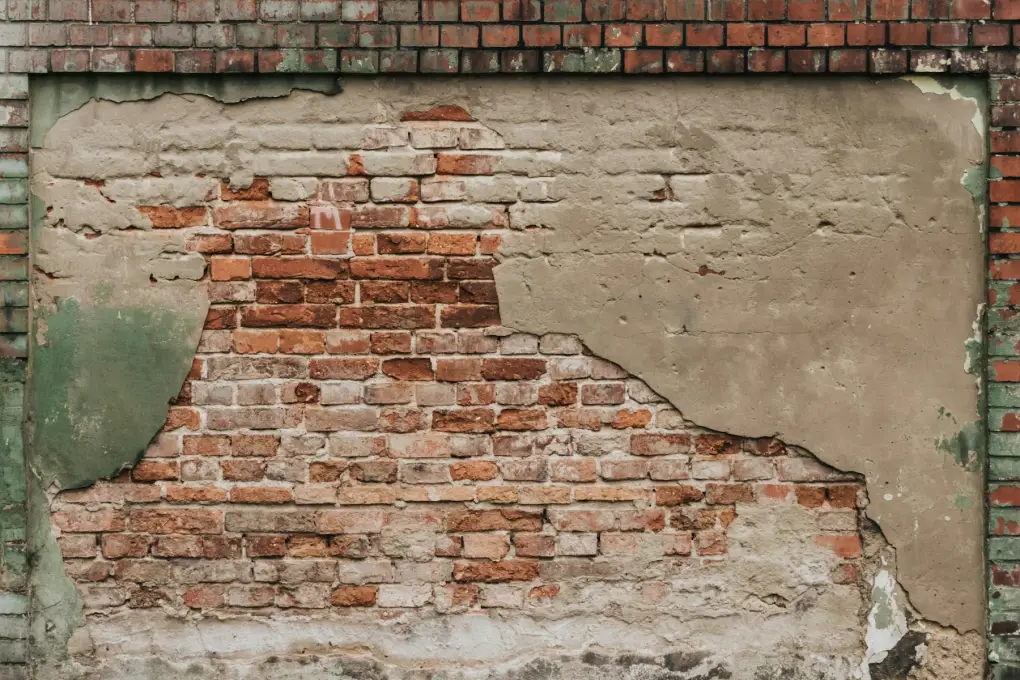
Stopping the water is only part of it. The moisture the masonry has absorbed stays, and with it the salts that are deposited just under the surface as it dries. Ordinary plaster does not last on such a substrate: it lifts, efflorescence appears, and in two years it is indistinguishable from the original state.
So plaster at the base of the wall is usually hacked off, the wall is left to breathe, and plaster able to cope with moisture and salts goes on instead. How high and which type follow from the survey. This has to be in the quote; otherwise you are arguing about a figure that does not cover half the job.
What to ask the contractor
- How will you establish the cause and how many openings will you make? An answer of "we will see on site" with no number is evasive.
- Why this method and not another? What follows should be an explanation about the masonry, not about the price list.
- What happens to the plaster and up to what height? This belongs in the quote as a separate item.
- What if the situation turns out different once work starts? How extras are handled and who approves them.
- What is covered by warranty and what is not? Drying time cannot be covered; the execution of the barrier can.